8. International Media
International Media Review: The Global Rise and Impact of Anime
Introduction
Once a niche entertainment export from Japan, anime has evolved into a dominant force in global pop culture. With its diverse genres, innovative storytelling, and distinctive visual styles, anime has not only captivated audiences worldwide but has also influenced mainstream media across continents. This review explores how anime is received in various regions, its cultural significance, and its growing economic and artistic impact on the international stage.
Asia: Cultural Backbone and Regional Powerhouse
In Japan, anime is deeply interwoven into the cultural and economic fabric of society. It’s not merely entertainment it’s a cultural export comparable to sushi or J-pop. Domestically, anime ranges from children’s programming to mature psychological dramas, and its themes often reflect Japanese values, societal issues, and aesthetics.
In neighboring countries such as South Korea, China, and the Philippines, anime enjoys widespread popularity. While Korean webtoons and Chinese donghua are rising in parallel, anime still commands massive viewership. However, political tensions especially between China and Japan occasionally influence censorship and distribution.
North America: From Cult Classic to Mainstream Giant
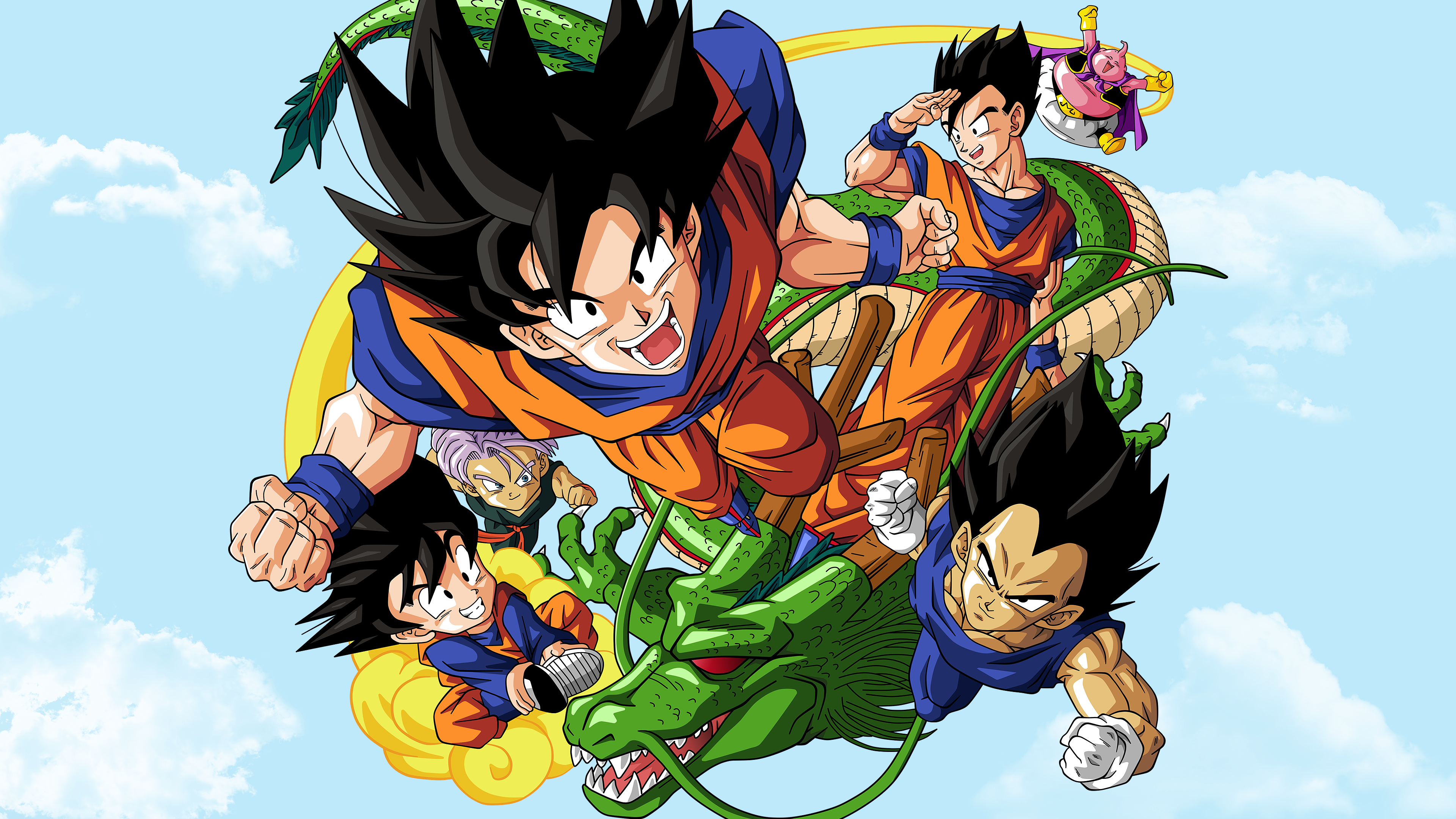
In the United States and Canada, anime was once considered a niche interest for collectors and enthusiasts. However, the late 1990s saw a major shift with the success of Pokémon, Dragon Ball Z, and Sailor Moon. Streaming platforms like Crunchyroll, Netflix, and Hulu have since made anime more accessible than ever, pushing shows like Attack on Titan, Demon Slayer, and Jujutsu Kaisen into the mainstream.
Critics in North America now frequently include anime in year-end media roundups, and anime films such as Spirited Away and Your Name have received critical acclaim. However, cultural translation, localization, and representation still spark debate in academic and fan communities.
Europe: Diverse Audiences, Deep Appreciation
In Europe, anime has a strong foothold, particularly in France, which boasts one of the most robust anime and manga markets outside Japan. French television has broadcast anime since the 1980s, and the nation’s artistic tradition aligns closely with anime’s experimental and narrative-rich format.
Germany, Italy, and Spain also exhibit strong anime fan bases, supported by festivals, conventions, and dedicated TV programming. European audiences often appreciate the philosophical depth and emotional complexity of anime, especially works by auteurs like Hayao Miyazaki and Satoshi Kon.
Latin America: Generational Fandom and Cultural Adaptation
Anime holds a nostalgic and cultural value in Latin America, where shows like Saint Seiya (Los Caballeros del Zodiaco), Dragon Ball, and Naruto were dubbed and broadcast on national television during the 1990s and early 2000s. Today, anime continues to thrive, bolstered by strong fan communities, cosplay culture, and local dubbing industries.
Anime is often seen as a bridge between generations, uniting fans across age groups. Mexican and Brazilian voice actors for anime have reached near-celebrity status, reflecting the depth of anime’s integration into popular culture.
Africa and the Middle East: Emerging Markets and Creative Fusion
While anime's reach in Africa and the Middle East is more recent, it is growing rapidly, particularly in countries like Nigeria, South Africa, and the UAE. Streaming services and mobile internet access have made anime more accessible, and local creators are beginning to incorporate anime-inspired aesthetics into their own storytelling.
In countries such as Saudi Arabia and Egypt, anime conventions and cosplay events are becoming more common, often blending Japanese animation with regional cultural themes.
Conclusion: Anime as a Global Cultural Force
Anime is no longer just a Japanese export it is a global medium that transcends language, borders, and demographics. Its rise reflects broader changes in media consumption, where streaming platforms, fan communities, and social media fuel cross-cultural exchange. As international creators begin to collaborate with Japanese studios and as global audiences demand more representation and inclusion anime’s evolution is far from over. It is not only entertainment but a shared cultural phenomenon that continues to redefine storytelling worldwide.


Comments
Post a Comment